Introduction

Yes, The Bible Does Support Slavery (Elliot and Brad)
The Bible views slavery as normalized. Numerous times The Bible mentions slavery casually without ever prefacing it with words of disapproval. From this it can be surmised that slavery is acceptable. The Bible does view certain aspects of slavery as sinful, but slavery, as it was practiced in the United States in the times of the late eighteenth century to the early nineteenth century, is permissible.
Leviticus 25:44-46 makes many statements which align with how slavery was practiced at this time. It can concluded that the slave trade is allowed from the line “Your male and female slaves are to come from the nations around you.” Slave breeding and auctioning is also allowed from the line “You may also buy some of the temporary residents living among you and members of their clans born in your country, and they will become your property.” This line also specifically designates slaves as property. The Bible also specifically states that slaves may be inherited from the next line: “You can give them to your children as inherited property and can make them slaves for life.” Thus the slave trade as a whole as it was practiced in the United States, is permitted by The Bible.
The Bible’s words also align with how slave owners treated their slaves. From Exodus 21:20-21: “When a man strikes his male or female slave with a rod, and the slave dies under his abuse, the owner must be punished. However, if the slave can stand up after a day or two, the owner should not be punished because he is his owner’s property.” This unambiguously states that corporal punishment against slaves is permissible, as long as the slave is not killed from the punishment. It also reaffirms that slaves are property to their owners. Furthermore, this excerpt and the surrounding context says nothing about the reason for which a slave shall be beaten, meaning that it can be reasoned that slaves can be beaten at any time for any reason as long as the beating does not result in the death of the slave.
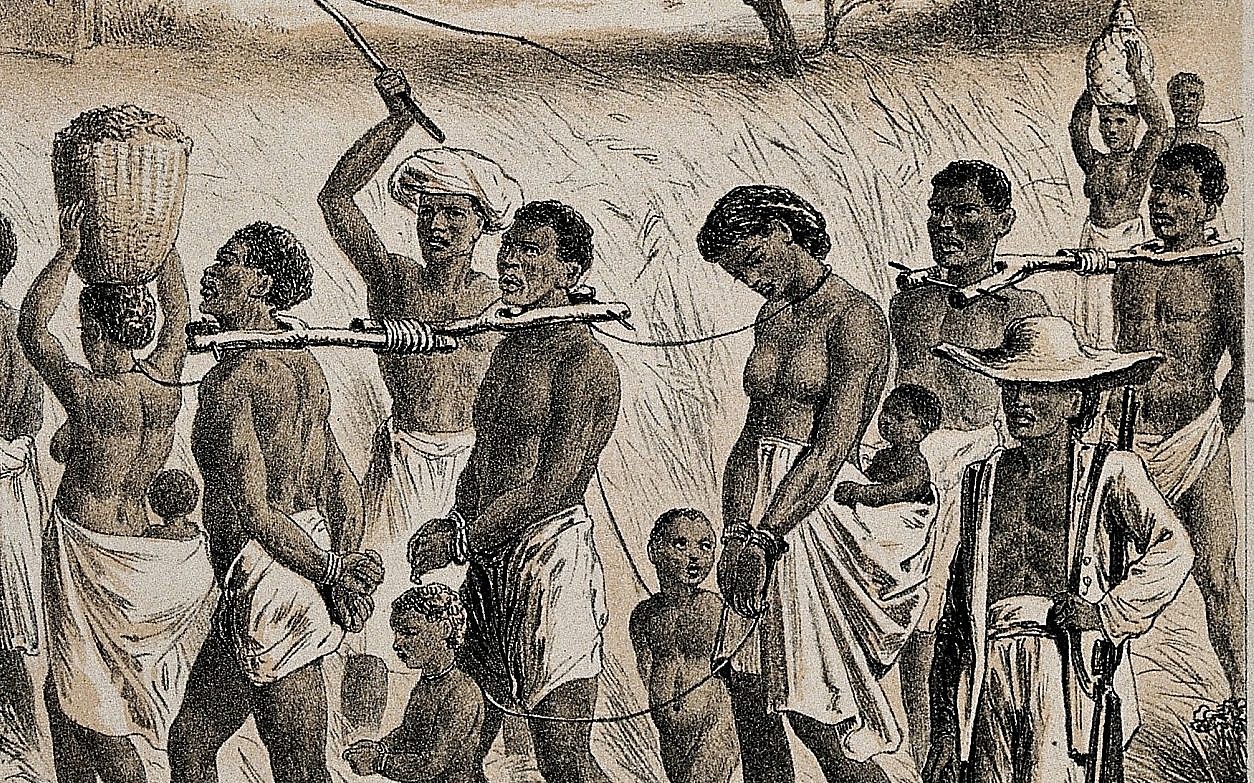
Modern assessments of Christianity often view slavery as a sin. The Catechism of the Catholic Church 2414, an over 900 word articulation of the modern catholic Christian viewpoint, states that enslavement is a sin under the seventh commandment. The seventh commandment, “thou shall not commit adultery”, is completely unrelated to the issue of slavery however. Adultery strictly means a relation between a married person and someone other than their spouse, this has nothing to do with slavery. Even if modern Christian organizations wish it wasn’t true, the bible, and consequently the word of god, allows slavery as it was practiced in the United States. Most of the bible’s pro slavery sentiment comes from the old testament, which is the basis of the bible and is a mandatory part of any translation or accepted version of the bible. Even the new testament features ideas in support of slavery.
No, the bible does not support slavery. (Kasen and Johnathon)
The bible uses the word slavery and servants in biblical times the word slave was seen as servants. In the bible a common way to pay off debts was to do work under the person you owe debts to as a servant. The Bible has considered slavery a sin in some of its testaments and religions; it's a sin to participate in slave trades and slavery ownership. Most religions also were against slavery and believed it had been a sin.
In the Catholic Bible and religion the bible says about the seventh commandment for as stated: “The seventh commandment forbids acts or enterprises that for any reason - selfish or ideological, commercial, or totalitarian - lead to the enslavement of human beings, to their being bought, sold and exchanged like merchandise, in disregard for their personal dignity.” This quote represents that slavery is sin and is considered selfish. This quote also represents the fact that this commandment forbids slavery and all acts that lead to it. The Catholics as stated earlier that this is a sin.
In the New Testament of the Christian Bible there are some references to anti-slavery movements and anti-slavery positions in the verse Timothy 1:10 the New Testament comments on other issues as well but keeps its main focus in this section on anti-slavery “the sexually immoral, men who practice homosexuality, enslavers, liars, perjurers, and whatever else is contrary to sound doctrine”. This verse says that slavery is also immoral and explains that those who practice it are not uncorrupted.
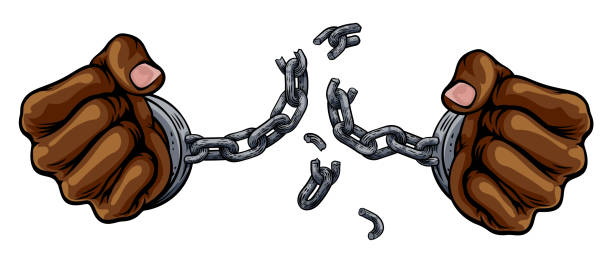
It is definitely true that religions such as Christianity and Baptists especially condoned slavery at one point in history as did the different branches such as Baptism. The Southern Baptist Convention has originally admitted to slavery endorsement and admitted they were wrong about their positions on Slavery. They admitted to making mistakes in their beliefs in this quote and statement: “Be it further RESOLVED, That we lament and repudiate historic acts of evil such as slavery from which we continue to reap a bitter harvest, and we recognize that the racism which yet plagues our culture today is inextricably tied to the past.” The Southern Baptist Convention is based on beliefs originally stated in the beliefs of the Bible and the Christian religion.
https://www.biblestudytools.com/dictionaries/eastons-bible-dictionary/adultery.html


No comments:
Post a Comment