Wednesday, November 29, 2023

Mock Trial #4 Reax

 Mock Trial #4 Reax

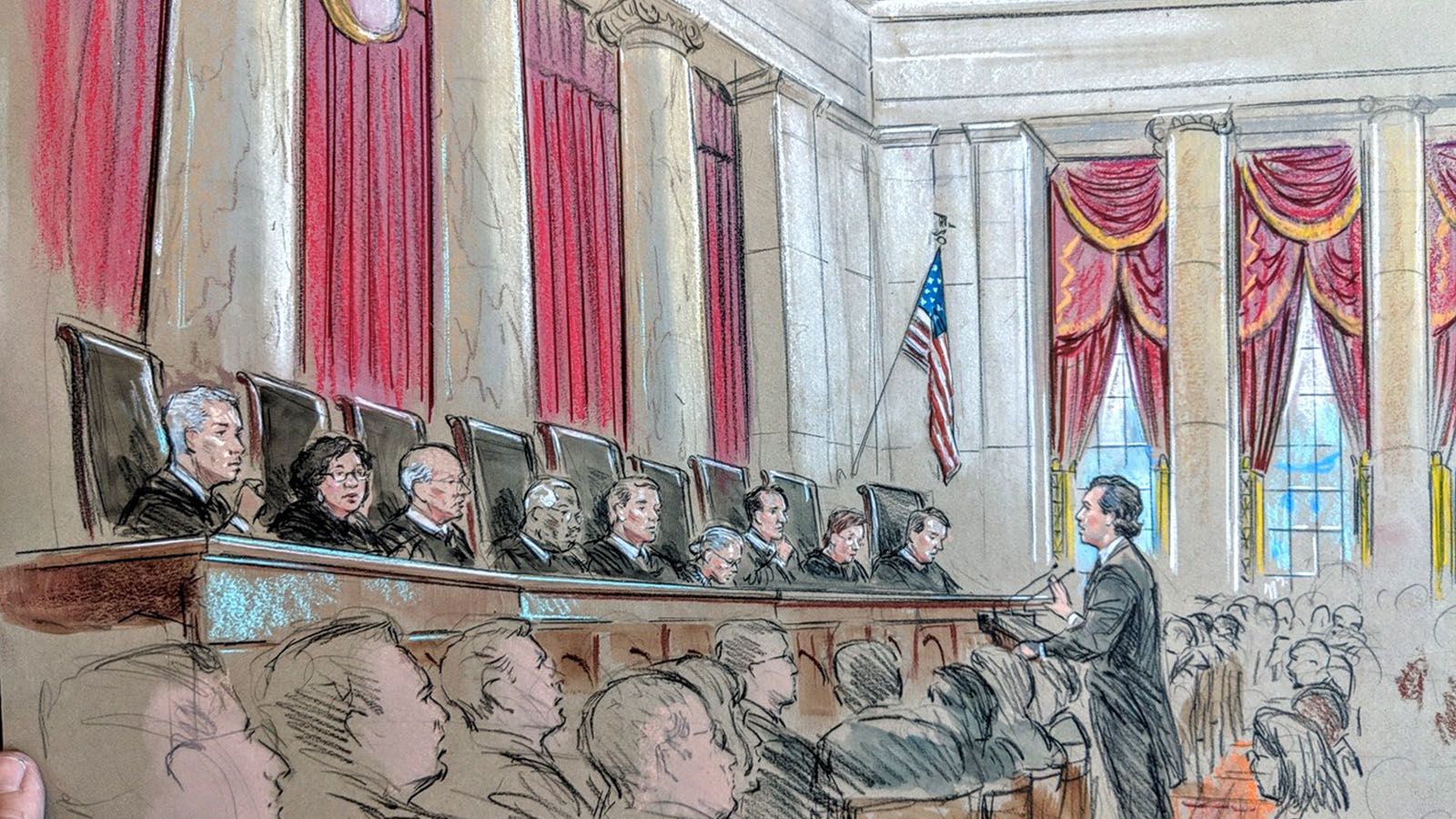
The justice giving the final summary at the trial

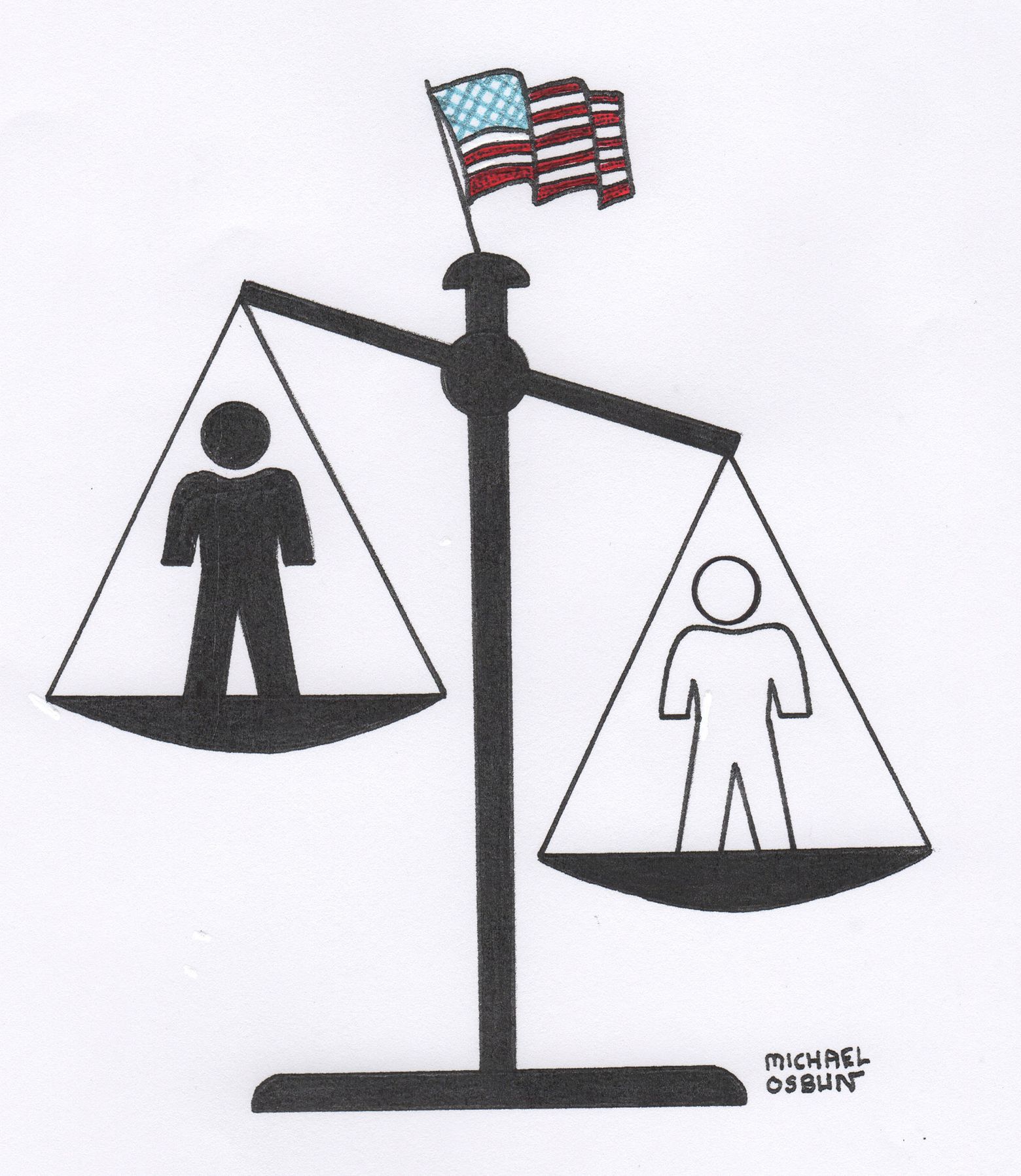
This week's mock trial was on the case of Board of Regents vs. Bakke. Previous mock trials put issues up for debate that, in today's age, are no longer considered debatable; there is one clearly morally correct side. For example: slavery, and segregation. These two practices are considered morally heinous and are no longer seriously argued. This week's trial, however, put to debate an issue that is still commonly argued today: affirmative action. Affirmative action is the practice of favoring groups regarded as disadvantaged or subject to discrimination. (Oxford Languages) This practice still exists today and many people see it as clearly discriminatory, while others see it as necessary for ensuring equality.

In the particular case of Board of Regents vs. Bakke, Allan Bakke was a white male who was rejected from the University of California. Bakke noticed that African Americans with similar grades and scores to him did get accepted. So he decided to sue claiming that the practice of affirmative actions violated his right to equal protection under the fourteenth amendment.

In my opinion, this was the best mock trial. There were so many strong, and unique arguments on both sides. I'll go through some of the arguments that particularly stood out to me, starting with the side arguing in favor of the defendant, the Board of Regents.

Board of Regents Arguments
https://media-cldnry.s-nbcnews.com/

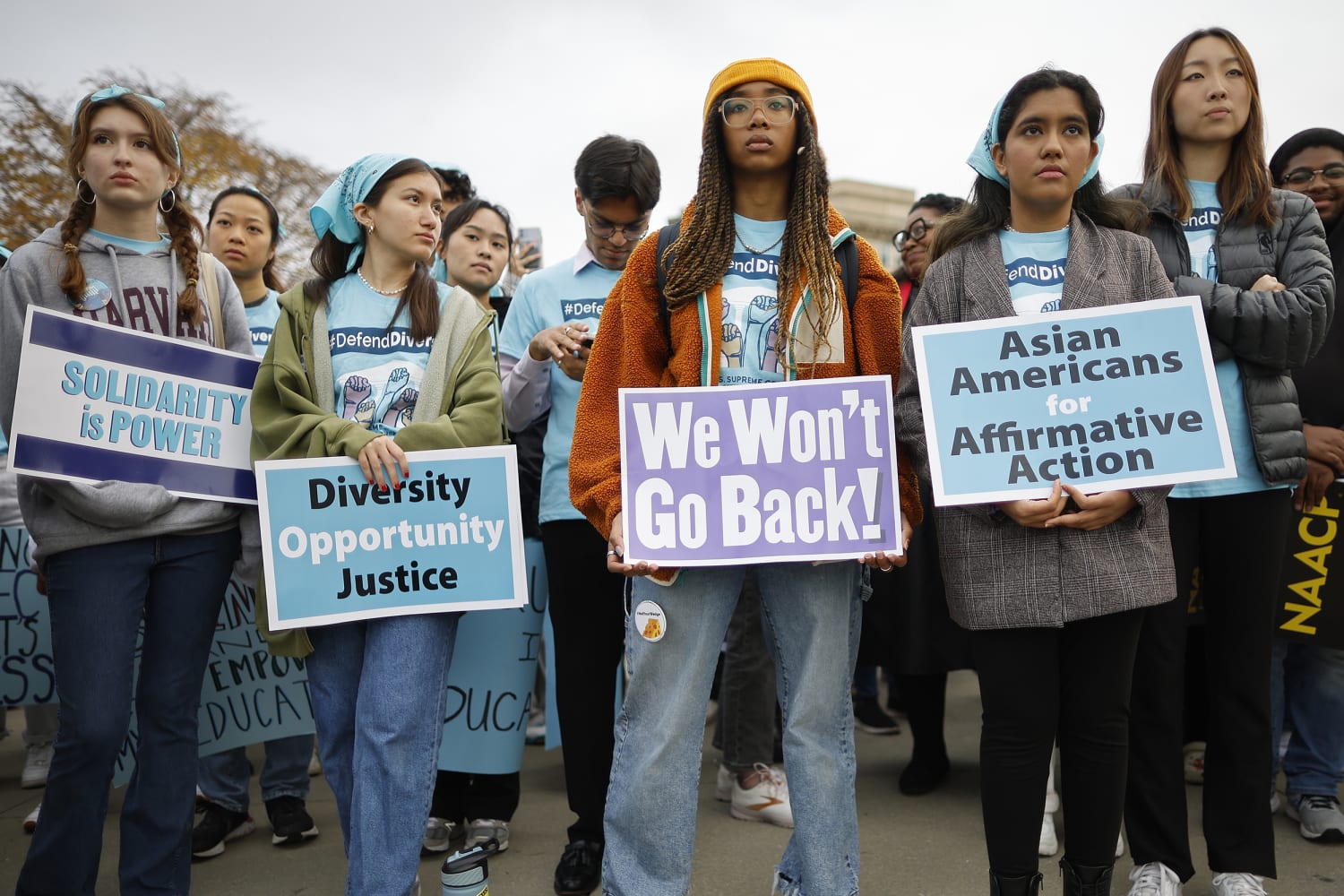
Kasen had a really interesting and thought provoking argument on diversity. Affirmative action, he states, will ensure that a college campus is diverse. Diversity enhances the learning experience by allowing students to hear from many different perspectives. This is a really simple and effective argument. Everything he says here is true. I can speak from experience because I was raised in New Hampshire, a state that is 99% white people. The lack of diversity closed me off from those different perspectives and studying here at High Point University, I already feel like I'm getting a better grasp on those perspectives. So I really like Kasen's argument here. 

Another argument that stood out to me was from Lindsay Paris. She argues that historic racist institutions, such as slavery and segregation, have left long lasting scars on the black community. Affirmative action is a way to build these people back up to where they would be economically had these institutions never existed. Abby A. builds upon this argument saying that "colorblindness is not equality." This was a great way to finish of this side of arguments and I found it incredibly powerful, especially Abby's quote. My EOTO topic was redlining and I my research led me to similar findings; although racism and segregation are over, the fact that those practices existed while white people got to live normal lives with normal opportunity, gave them a massive head start that much of the black community hasn't been able to catch up to. Affirmative action actually gives them these opportunities. Great arguments all around from this side.

Bakke Arguments

https://chronicle.brightspotcdn.com/
Sam had a lot of interesting things to say about affirmative action. The first things that stood out to me
is that she said instead of forcing students into colleges they aren't ready for, the primary and secondary education systems should be improved in a way that puts everyone on that equal level of opportunity. She also said that affirmative action will perpetuate a narrative of dependency for African Americans, which is a really thought provoking argument. Finally she mentioned how there are over 100 historically black colleges as an option for this historically disenfranchised group. Her argument described multiple interesting alternatives to affirmative action and that made it really strong.

Another argument on the side of Bakke I believe was very strong was Clara's. She made a lot of points about how the whole concept of affirmative action is just discriminatory. But what really caught my attention was one of her later points, where she explained that affirmative action puts people in colleges they are not ready for, which will just cause them to drop out, which defeats the entire purpose of affirmative action in the first place. This is such a simple but effective argument, amazing way to end off this side of arguments. 

Sources:

https://www.law.cornell.edu/wex/regents_of_the_university_of_california_v_bakke_(1978)

https://www.oyez.org/cases/1979/76-811

https://supreme.justia.com/cases/federal/us/438/265/


Tuesday, November 28, 2023

EOTO #4 Key Post

Redlining EOTO

https://www-tc.pbs.org/wnet/peril-and-promise/files/2020/01/redlining_extremeheat-Cropped.jpg

For this week's EOTO/Mock Trial I was on the EOTO side. Specifically the side teaching events that regressed African American rights in the civil rights era. My topic was redlining, which took a while for me to understand what any of it even meant, so I made sure to explain every aspect of it in my presentation. Here is the outline I used for the presentation:


"Hey, it's Brad. My topic is redlining, which is a very complicated so I'm gonna have to run you through a bunch of history. It has to do with housing prices. Now if you're like me then your high school never taught you anything about buying a house, so I have to do it now. So here we go, I'm gonna explain how to buy a house through a mortgage.

Alright so houses are expensive, really expensive. It's not reasonable to pay this all up front, so what you can do is take out a loan from a bank for the price of the house. You can then pay off this loan by starting with a small portion immediately, called the down payment, and pay the rest in the form of a monthly rate over several years. (nerdwallet.com)

Alright so let's go to the great depression, a time when many Americans were greatly depressed. Obviously with these people all depressed they aren't exactly gonna have the money to buy a house, especially when down payments were as high as 50%! Banks made these down payments so high because they were scared of people taking out the loan then not paying it off, causing the bank to lose a lot of money. So the government created Federal Housing Agency, which basically says "Hey, if that happens, we'll pay you back."

So banks start giving out much more loans and more people are able to buy houses. Woohoo! happy ending! nothing could possibly go wrong!

Okay so fast forward to now, the civil rights era. The federal housing administration has realized it can't just give out all these loans for free because it's losing a ton of money. So it just draws red boxes over all the houses it thinks are unlikely to actually pay off their loans, and denies them their loans. Now this is what the federal housing administration CLAIMED to be doing. But it turns out, the more common quality these houses shared was being owned by black people. So there you go, that's redlining. The government drew red lines around black people's houses to deny them loans. 

The practice led to a lot of black people not being able to afford housing the way white people could. The fair housing act of 1968 did outlaw the practice but damage had already been done. Redlining caused black families to be worse off overall and it's effects have echoed through the generations up to today, where there is still a large gap in home ownership between black and white people."


https://www.legalzoom.com/

So fun fact: I did not know what a mortgage was before this! So that's awesome! Thanks American education system. I decided to play on the fact that schools don't teach basic fundamental life skills like this by teaching it to the class myself, since it is very important to redlining. I hope some of my classmates learned what a mortgage is and that it's really not as scary or complicated as we think. Yes I vastly oversimplified it in my presentation, but come on. It's not that hard, schools could've easily taught me this. 

https://images.seattletimes.com/
Anyway I got carried away talking about mortgages there, just like in my presentation. So let's actually talk about redlining. Redlining is... just sad. Sometimes it feels like historically the U.S. government was taking on a personal challenge to be as racist as possible. Once they give black people some rights, they will look for the next system they can exploit to give them a disadvantage. It's also sad that these racist policies still, in a way, affect the black community to this day. As I showed in my presentation, there is still a wide gap between black and white homeownership, and I believe it can be traced back to this practice. It was only outlawed in 1968, fifty years ago. Not that much time in the grand scheme of things. The major disadvantage redlining caused to black people back then put them so far behind white people at the time that they still haven't caught up to this day, explaining the large gap in black and white homeownership.

This is my last blog post for an EOTO so I just wanted to give some final thoughts on this semester. My two EOTO's were this, and the freedmen's bureau. Two topics that I hadn't heard about before and that didn't appear to be that interesting. But being forced to teach the class about them, I wanted to make them interesting, somehow. So I just focused in on the fun parts of these two topics and added some goofy animations on my slideshows. I actually found myself interested in these topics by the end, which surprised me. Especially redlining. When I first started my research for redlining I saw a bunch of terms related to housing and mortgages, and I thought it would be super boring. But as I got into it, I found the interesting parts and stuck to them. So I guess I just wanted to say I'm glad I had this learning experience for these two topics.

Sources:

https://www.nytimes.com/2021/08/17/realestate/what-is-redlining.html

https://www.nytimes.com/2017/08/24/upshot/how-redlinings-racist-effects-lasted-for-decades.html?action=click&module=RelatedLinks&pgtype=Article

https://www.federalreservehistory.org/essays/redlining

https://www.huduser.gov/portal/pdredge/pdr_edge_frm_asst_sec_081114.html

https://www.britannica.com/topic/Federal-Housing-Administration

https://www.nerdwallet.com/article/mortgages/what-is-a-mortgage


Saturday, November 11, 2023

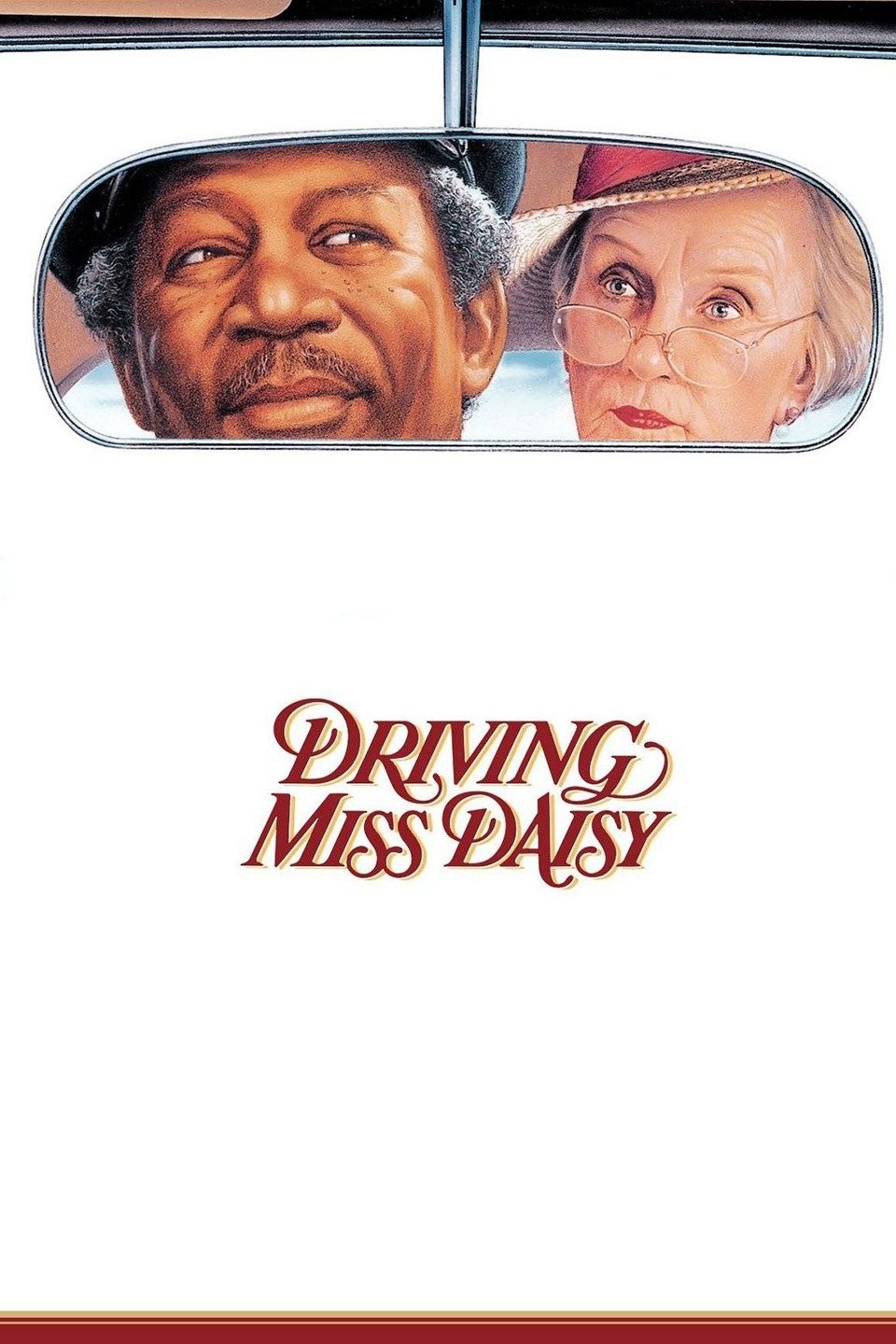
Driving Miss Daisy Reflection


 Driving Miss Daisy Reflection

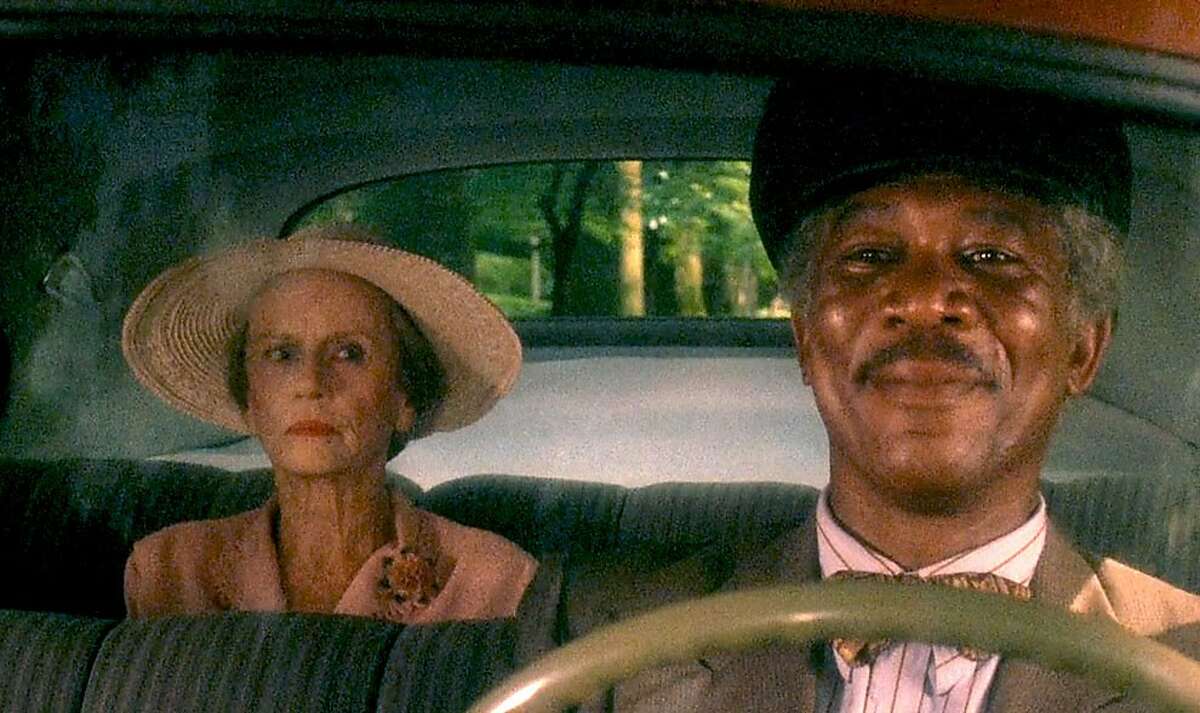
In class we watched the movie Driving Miss Daisy. From my perspective, this movie is about two very stubborn people: Miss Daisy and Hoke. Miss Daisy is the far more stubborn of the two. After she crashes her car, her sons get a chauffeur for her. This is where her stubbornness kicks in. She hates the idea of having a chauffeur. From what I can tell, it's less that she hates chauffeurs and more that she hates change. The chauffeur she hires, Hoke, is also stubborn in a different way. Miss Daisy somehow finds a way to find something wrong with everything Hoke does. She treats him worse than her other house guests and constantly critique's his every move. She doesn't even want Hoke driving her at all, even if that means her son pays him for doing absolutely nothing.

In Hoke's position, there is a very easy and obvious thing to do: nothing. He could just do absolutely nothing and Miss Daisy would be satisfied, happy even, and he would get paid. Instead, Hoke absolutely insists on driving her. This is where Hoke's stubbornness comes in, he refuses to give up and take the easy way out, simply because he believes it wouldn't be the right thing to do. He tells Miss Daisy that her son is paying him so he has to do his job. It would be so easy to quit especially considering the constant berating he faces from Miss Daisy every day, yet he keeps on trying through it all.


This movie shows very directly how stubbornness can be a good or a bad thing from these two characters. Miss daisy is bad stubborn, she refuses to accept help in her life just because it's different to how she's used to living. Hoke is good stubborn. He sticks to his morals and refuses to quit despite the adversity he faces.


In the end Hoke wins out and Miss Daisy changes her ways. She admits that Hoke is her best friend and that she enjoys his company. Hoke, being hoke, sticks with her till the very end, when she's in a nursing home with dementia and doesn't have many others there for her.


My Honest Thoughts on the Movie

This is a movie that left me with something, it really is a beautiful story. I do wish they just kept it more brief. It was about 100 minutes for a story that could've been told in half the time, and a lot of the plot beats felt repeated and old as the movie went on. I did like the movie but I wouldn't watch it again. I guess I like the idea of this movie more than the actual film itself.

Sources:

https://www.britannica.com/topic/Driving-Miss-Daisy-film-by-Beresford

https://www.imdb.com/title/tt0097239/

https://www.imdb.com/title/tt0097239/plotsummary/

Images:

https://resizing.flixster.com/-XZAfHZM39UwaGJIFWKAE8fS0ak=/v3/t/assets/p12019_p_v8_ac.jpg

https://s.hdnux.com/photos/70/72/67/14921194/4/1200x0.jpg

https://www.commonsensemedia.org/sites/default/files/styles/ratio_16_9_small/public/screenshots/csm-movie/driving-miss-daisy-ss2.jpg


Monday, November 6, 2023

Mock Trial/EOTO #3 Reax

EOTO #3 Reflection

This week's EOTO was on events related to the progression of segregation. This EOTO the class was instructed to try not using any words on the slides, which was influenced by my presentation from the last EOTO. At first I felt kind of bad about this, but everyone told me that it didn't make it any harder so it was fine. I will say the quality of these presentations was certainly better than last time, but I don't think we should stop the use of text outright. My last presentation actually did have multiple bits of text, and I think it can be great for this type of presentation. The key is to use the text sparingly, use it for the main ideas not all the ideas.

Events That Advanced Segregation

The first EOTO segment we heard was on events that advanced segregation. There were many segments that I found interesting and learned something new. One of these was Evan's segment on the forming of the second KKK. In the 1960's the KKK reformed into a much more organized group with even stricter beliefs; they now excluded jews, Catholics, and most Europeans. Their goal, of course, was to recoup white supremacy. Their methods were just as violent as ever. In fact, some of the other EOTO presenters' topics were caused by the KKK: Lindsay's presentation of the 16th street Baptist church bombing orchestrated by KKK members, and Kasen's presentation on the Mississippi burning also perpetrated by the KKK. The part that really stood out to me from Evan's presentation however was the new KKK's focus on nativism. The belief that people native to a land our superior. This is silly to me because if they believe in this then shouldn't they be treating Native Americans as superior? They want to claim ownership to a land they of which they weren't even the first inhabitants. This is just such a simple contradiction that seems so obvious. Sometimes I find it funny how stupid white supremacists can be, but it's also scary.


The other presentation that stood out to me was Ariel's on sundown towns. Sundown towns are white communities that banned blacks from their neighborhoods past sundown. This is interesting to me because I had never heard of this before Ariel's presentation, but according to her that were ten thousand of them between 1890-1960. What's even more striking is that they still exist today. That's baffling! How is this practice which is very clearly discriminatory not being shut down by local governments?

Events That Halted Segregation

(Clara's presentation, taken live at the EOTO!)

On the other side of the EOTO was the events that halted segregation. The first topic that caught my attention was Clara's presentation on the integration of the armed forces. This is also the topic I took a picture of, depicted above. No idea what happened to that picture by the way. My phone seemed to mess it up with all that blue light at the top, sorry about that. Anyway what was striking about this presentation is Isaac Woodard, a black WWII veteran who came home from the war just to be beaten to the point of permanent blindness. Researching more into this topic myself, the person who beat him was the police chief, and he was acquitted of his crimes by an all white jury. Every time I read about a racist attack from these unfortunate eras of American History, I am more and more saddened. This horrible injustice did lead to president Truman issuing an executive order to end racial discrimination in the armed forces though. It's nice to know something good came out of this.


The other presentation I found really interesting was Joey's presentation on the Harlem renaissance. I'm a huge fan of artistic works and it's really cool to me that this is where American black culture as we know it today has its roots. This period of artistic excellence also had the effect of bringing more attention to the civil rights cause. I'm a huge fan of people expressing their creativity and letting out these great works to be enjoyed by people forever, and the fact that it advanced the civil rights movement is amazing.

Sources:

https://www.fbi.gov/history/famous-cases/baptist-street-church-bombing

https://www.blackpast.org/african-american-history/sundown-towns/

https://www.blackpast.org/african-american-history/woodard-isaac-1919-1992/

https://www.archives.gov/calendar/event/the-blinding-of-isaac-woodard-0

Images:

https://marvel-b1-cdn.bc0a.com/f00000000296870/www.csusb.edu/sites/default/files/styles/cover_image/public/upload/image/SundownTown_2.jpg?h=f5df90d3&itok=h4zBZB8L

https://images.fineartamerica.com/images/artworkimages/mediumlarge/2/harlem-renaissance-edjohnetta-miller.jpg


Sunday, November 5, 2023

Mock Trial #3 Key Post

Mock Trial #3: Brown v. Board of Education


The mock trial was on the case of Brown v. Board of Education. The name Brown v. Board encapsulates a collection of five different cases. (uscourts.gov) The issue at debate in all of these cases was segregation in schooling. I argued on the side of Brown, in favor of desegregating schools. I made the legal argument for our side. The script I used during the trial is below:


 Hey everyone. I’m Brad and I will be making the legal argument on the side of Brown.

The issue of today’s trial is segregation in schools. For this case we have two important laws to look at: The fourteenth amendment and the supreme court precedent set by the 1896 case “Plessy v. Ferguson.” The fourteenth amendment clearly states that no person shall be denied equal protection of the law. The Plessy v. Ferguson case created a precedent that segregated schools did not violate the fourteenth amendment because they were "separate but equal." This is not true. To be separate inherently means to be unequal, especially as the law is carried out in the United States.

In the most literal sense, the separate but equal doctrine is by concept, denying people the equal protection of the law guaranteed by the fourteenth amendment. Quite simply, white people are banned from black schools and black people are banned from white schools. Even if these schools did provide equal opportunity to both peoples, which they do not, it is still banning an entire group of people from a public location that another group is freely allowed to enter. That is NOT equal protection.

So separate but equal is at its core, a broken ideology, but how it is practiced in the United States further breaks the equal protection clause. Black schools are consistently of lower quality than white schools. Looking at the raw data, black students leave their schools less educated than white students. Black schools are underfunded and overcrowded, which is shown to have a detrimental impact on education. Black schools will recurrently not have enough desks for every student. Black students also have less access to educational resources. Black Teachers were severely underpaid when compared to white teachers, and school resources such as books were just whatever was leftover from white schools. (National Museum of African American History and Culture) All of these factors combined have lead to white students being four times as likely to graduate high school compared to their black counterparts.

The court has made a deliberate decision to take the Brown v. Board collection of cases and I think they have for a reason. It is time to shatter the Plessy v. Ferguson precedent and give every student the equal protection they deserve. I hope the court will make the right decision.


That was my prepared speech, but I didn't actually say all of that. I used this as an outline for what I was going to say, not what I actually was actually going to say word for word. Basically I just glanced at the paper now and then to remind myself of the key points. In my opinion this makes my speeches flow better since I can just talk naturally instead of following a script word for word.

My main argument was that the concept of "Separate but equal" is inherently paradoxical; to be separate means to be unequal. This unequal treatment is a violation of the equal protection cause guaranteed by the fourteenth amendment. I also wanted to prove to the audience that segregation as it was practiced in the United Stated was clearly violating this clause, which is where the research for this argument became tricky.

I knew that black schools were just lower quality than white schools, but actually concretely proving that was surprisingly difficult. As the legal argument, I had to ensure that my statements were absolute and accurate with the law, to do this I started researching concrete statistics that showed that black schools were lower quality than white schools. I was hoping to find something like "black schools were funded 37% less," but I wasn't able to. Segregation is viewed as so obviously bad that it isn't necessary for us to have statistics to prove that it's bad, because it's so obvious to us. As a result many online articles speaking of the history of the era used inexact facts like "black schools were funded less than white schools." I did manage to find one great statistic across a few different sources though: "In 1950, only 1 in 10 Black adults graduated from high school compared to 4 in 10 white adults." (soeonline.american.edu) This was the oomph I needed to make my argument hit hard, so my strategy was to build my argument up to this statistic.

This was a pretty good learning experience for me I'd say. I really didn't expect this to be as hard as it was, I thought I'd find a ton of statistics about segregated schools. The facts I did find were still alarming though and enhanced my perspective of the era. I didn't know that they didn't have enough desks for all the black students, kind of makes you think that they just didn't care about the bl
ack students. 


Sources:

https://www.archives.gov/milestone-documents/brown-v-board-of-education#:~:text=On%20May%2017%2C%201954%2C%20U.S.,amendment%20and%20was%20therefore%20unconstitutional.

https://www.naacpldf.org/brown-vs-board/

https://www.uscourts.gov/educational-resources/educational-activities/history-brown-v-board-education-re-enactment

https://nmaahc.si.edu/explore/stories/struggle-against-segregated-education

https://constitution.congress.gov/constitution/amendment-14/

https://www.archives.gov/milestone-documents/plessy-v-ferguson

Images:

https://media.cnn.com/api/v1/images/stellar/prod/190423153417-scotus-bench-noel-francisco.jpg?q=w_1600,h_900,x_0,y_0,c_fill

https://i0.wp.com/mwmblog.com/wp-content/uploads/2020/02/3121575-130505055014.png?fit=495%2C495&ssl=1

https://www.pbs.org/wgbh/frontline/wp-content/uploads/2015/11/2014714232618_728.jpg


Friday, October 27, 2023

EOTO Key Post

The Freedmen's Bureau Presentation


My EOTO topic was the freedmen's bureau, this is the script I followed for the presentation:

Hey guys it's Brad, my topic is the Freedmen’s Bureau.


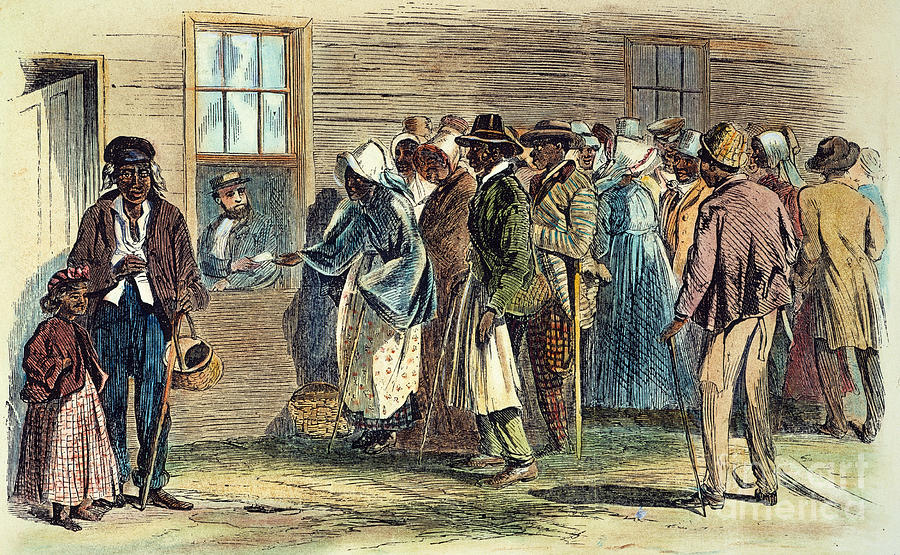
After emancipation the union realized a problem. If they did win the civil war, there would suddenly be 4 million newly freed blacks and displaced whites with little to no possessions or property. To combat this, congress started drafting up the Freedmen’s Bureau. It would be a federal agency that would provide needs to displaced southerners, including freed slaves and poor whites.


It finally became law in 1865 and lasted until 1872. During its 7 years of operation it was able to accomplish quite a bit, despite heavy resistance to it. It existed in these states (show map of states on presentation) and was composed of district commissioners, who oversaw operations in the district, and agents, who actually provided the relief.

The bureau fed millions of people, built hospitals and schools, and even reunited former slaves with family members they were separated from.


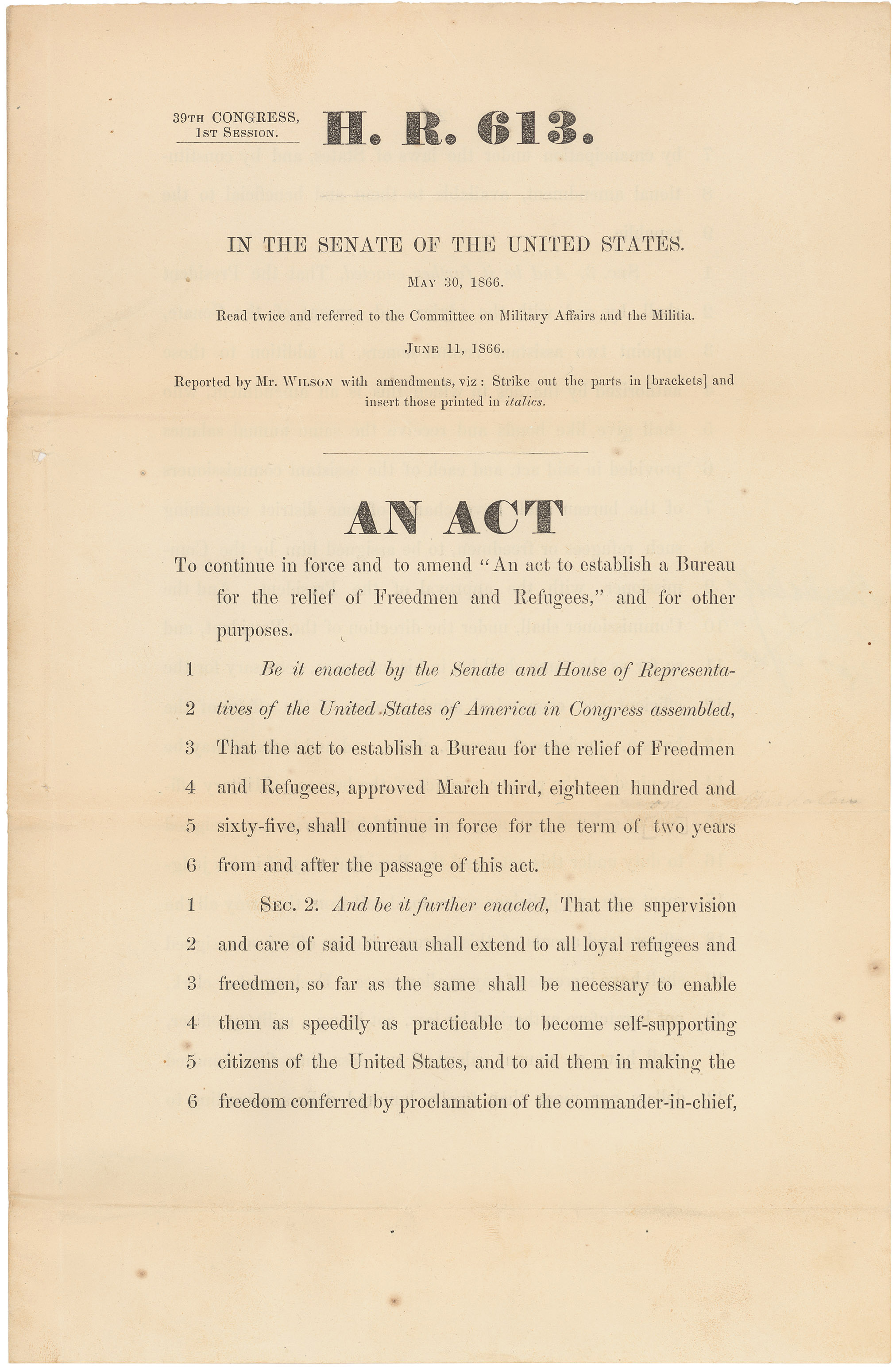
But it wasn’t exactly smooth sailing for the bureau. For one, the original law only allowed the bureau to operate for one year. When that year came and went, congress tried to extend it, and they did! Passing the bill with an overwhelming majority. Now our great president Abraham Lincoln just had to sign it into law, oh wait no he’s dead. Okay well Andrew Johnson will do it, oh wait no he’s racist. So Johnson vetoed the bill, saying it violated “states rights' ”. Fortunately, congress had enough votes to override the veto, but you know what they did? They AGREED with him. A few months later congress came to their senses and passed a new bill extending the duration.


Johnson constantly undermined the bureau’s operations. He would fire bureau agents for being too nice to black people. Yeah. The bureau also tried to take land confiscated from former confederates and redistribute it to the newly freed blacks. In response Johnson gave a presidential pardon to these confederates so they could have the land back. Bureau agents also faced harassment from southerners, including the klu klux klan. The bureau was abolished in 1872 due to pressure from southerners.


Ultimately, the freedmen’s bureau was stifled from achieving its goal. It did as much as it could with its lack of funding and heavy opposition.

Reflection

I am very happy with how this turned out. The goal with my presentations is always to keep the audience engaged and I think I did a good job of that. Admittedly, the freedmen's bureau isn't the most interesting topic of all time, so I didn't have much to work with. One thing I did find interesting though was how congress tried to extend the lifetime of the freedmen's bureau but Johnson vetoed it, and they agreed with him. I found that so bizarre, how they had such a large majority over to pass the bill, (21-9!) yet Johnson was able to change the minds of enough people to have it really be vetoed. Nowadays it seems like congress votes completely on party lines, with disregard for what's actually the right thing to do. I just find it so shocking that congress was able to look at the issue with an open mind and actually decide to change their decision, especially in such a divisive era. Of course In my presentation I didn't say any of this, just showed a cute animation of the wacky antics going on between congress and the president. 

Johnson definitely was the most interesting part about the story of the freedmen's bureau to me, through its lifetime he did everything in his power to discredit the bureau, like firing agents and restoring land to former confederates. Nowadays historians look back on the freedmen's bureau and question its effectiveness, I wonder what its legacy could've been had it not been opposed so hard by Johnson. Another thing I found interesting but didn't mention in my speaker notes, (I think I did actually mention this in my presentation, just not the speaker notes) was that the freedmen's bureau kept numerous records of poor whites and former slaves at the time, and today those records are an invaluable asset for historians. It's good to know that the bureau had this undeniable positive impact on history even if it wasn't able to achieve everything it was created to do.


Sources I used for my presentation:

Mock Trial #2 Reflection

 Mock Trial #2 Reflection

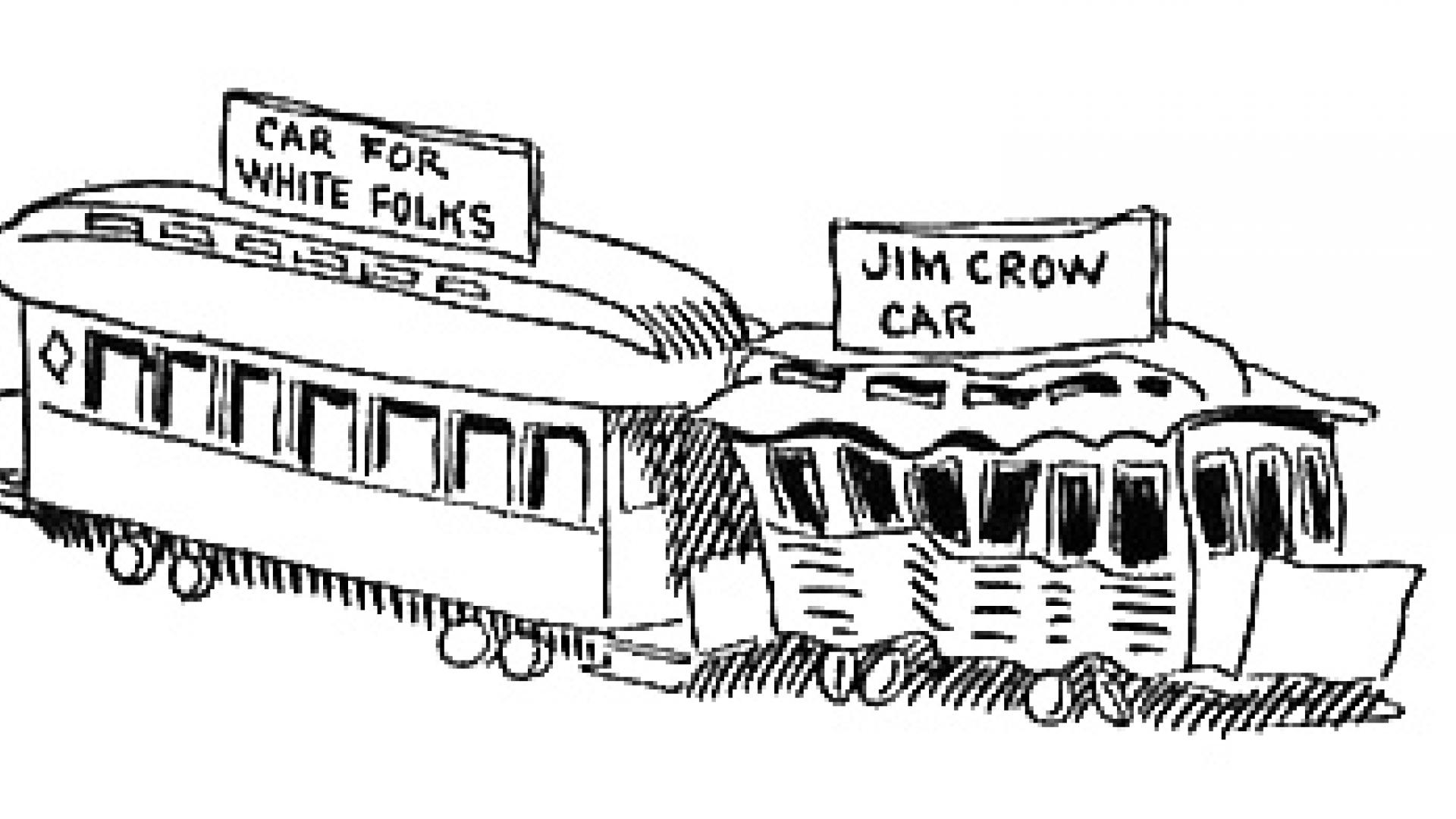
This mock trial was on the case of Plessy v. Ferguson. Homer Plessy was a man who was one eighths black. Concerned with how the U.S. seemed to be regressing laws designed to protect African Americans, Plessy agreed to test the strength of the fourteenth amendment by purposely buying a ticket for a white train car and attempting to sit on it. The police were notified and Plessy was arrested and found guilty. He appealed the case and it went all the way up to the supreme court. Ferguson in this case is the railroad company from which Plessy bought a white ticket.

Arguments in favor of Plessy

There were strong arguments from both sides of this trial, but a few in particular stood out to me. One argument I found very interesting is that there's nothing wrong with Plessy entering this train car. People got upset about it because of an idea in their head that it shouldn't happen, if not for this idea, nobody would have a problem with it. Nobody would've been hurt if everyone just let go of their prejudices. This is racism in a nutshell basically. It's sad that people have predisposed ideas about race that are so strong that they get legitimately upset at something like this, there's just no reason for it. One simple but effective argument in favor of Plessy is that segregation is just bad for business. Operating both a black and white train cars doubles expenses. I liked how straight and to the point this argument was, it's very strong in its simplicity. The last argument I want to touch on is the legal argument, a bit that particular stood out to me is that equality is not a complicated or ambiguous idea. The segregation of the train cars is clearly unequal and should be unconstitutional by the fourteenth amendment. Another argument that's strong in its simplicity, I really liked how it was pointed out how simple of a concept equality is and how this clearly violates it.


Arguments in favor of Ferguson

Overall I think the pro Plessy side had stronger arguments, but there is still some arguments worth noting on the pro Ferguson side. By far the strongest argument on this side was that Plessy's actions were deliberate breaking of the law. It wasn't an accident or a misunderstanding. Plessy had full intention to do what he did and he knew exactly what he was doing. In a court of law this argument is very strong since it focuses entirely on the law being broken. Of course in most other forms of debate this argument is pretty flimsy because we know that just because Plessy was breaking the law, that doesn't necessarily mean he was in the wrong. Still an extremely solid argument from the Ferguson side. The last argument I want to mention is the one about the reasoning behind segregation. People at the time believed segregation was the only way to have a peaceful society at the time. This is interesting to me because it truly is the state of mind people were in at the time. It circles back to the previously mentioned pro Plessy argument about racism being a concept completely created in ones mind, the fact that it was so strong that people believed separation was the only way to keep the peace is sad to think about. Humans can get very attached to ideas sometimes and my takeaway is to be more open minded to other perspectives.

Sources:

https://www.history.com/topics/black-history/plessy-v-ferguson

Images:

https://amsouth.unc.edu/sites/default/files/styles/lesson_plan_banner/public/JimCrowCar2.jpg?itok=mBLGD-lC

Mock Trial #4 Reax

  Mock Trial #4 Reax The justice giving the final summary at the trial This week's mock trial was on the case of Board of Regents vs. Ba...